Civil asset forfeiture: I’m a grandmother, not a drug lord. Why can police take my property?
It shouldn’t take six years and the threat of legal action to be treated fairly. I hadn’t been accused of any crime. I shouldn’t have been punished.
Malinda Harris and Stephen SilvermanOpinion contributors
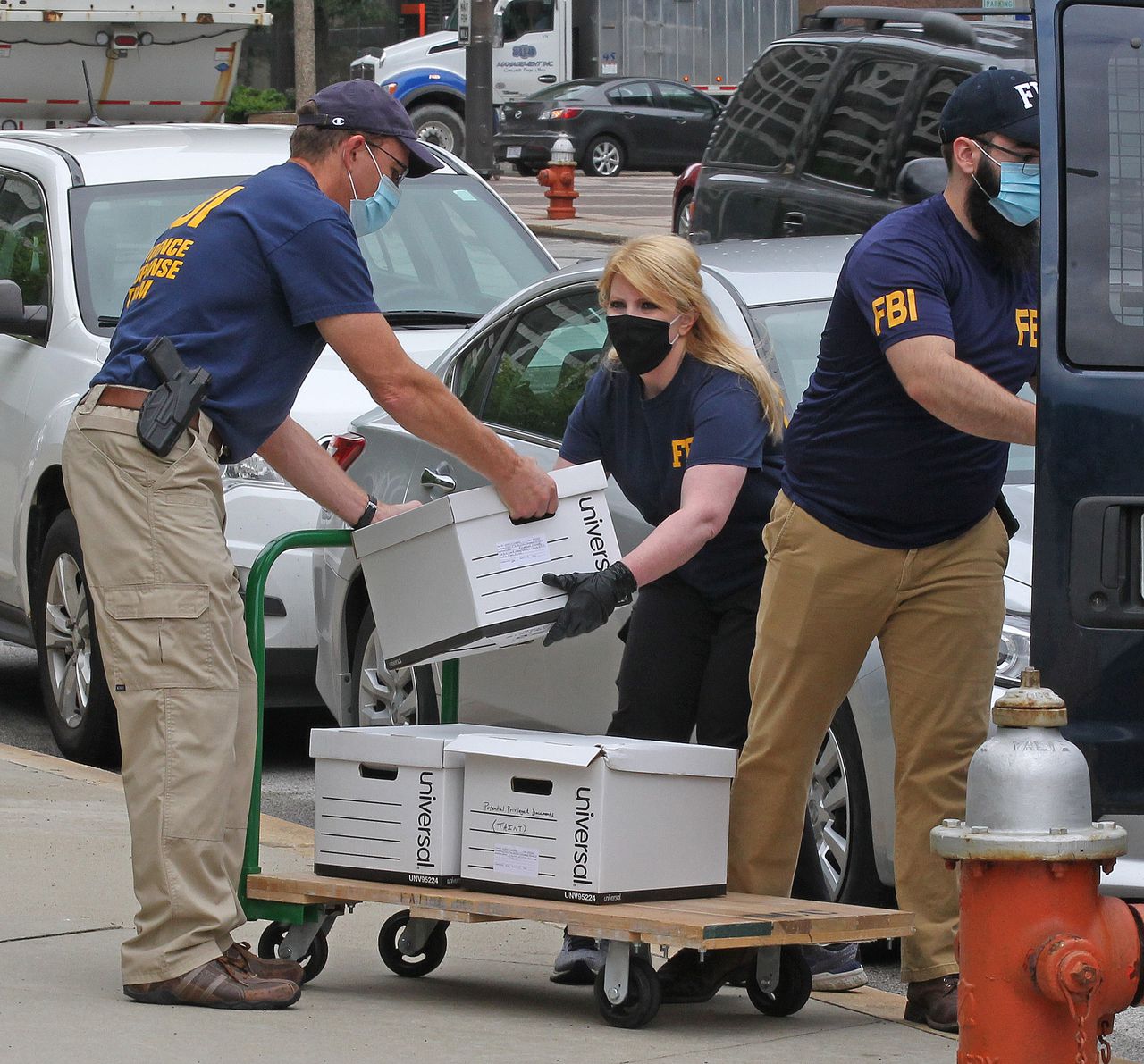
Six years ago, police showed up at my home at night in Massachusetts, demanded the keys to my car and threatened damage to it if I didn’t comply. They confiscated my car, but I’m not a criminal. In fact, I wasn’t even accused of a crime. So why have I been treated like one? Don’t I have any rights?
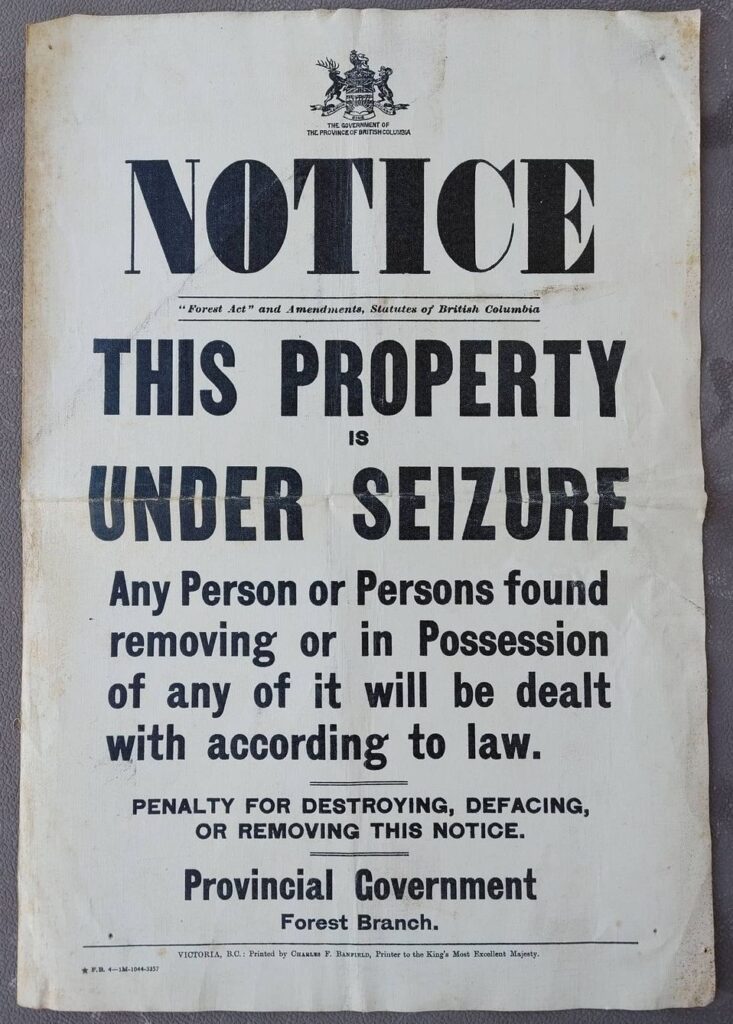
Turns out I’m not alone. I’m one of countless Americans who have had their property taken away under civil asset forfeiture laws, which allow police to take property if they suspect it was used in a crime. It adds up. There are so many of us that billions of dollars of property are seized every year. Unlike so many other victims, I decided to fight the government to get my property back.
My story began in March 2015 when I let my son, Trevice, borrow my car. Police in Berkshire County suspected that he was selling drugs, so they seized my car under the state’s civil asset forfeiture law, even though I had not been accused of any crime. But I had no idea that my son might have been involved in illegal activities when he was charged with a crime.
Turns out, some people are above the law:Police act like laws don’t apply to them because of ‘qualified immunity.’ They’re right.
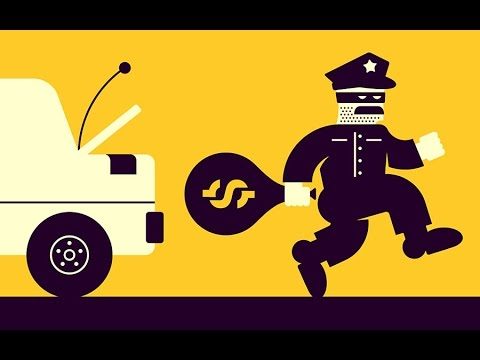
At least 35 states have these kinds of laws on the books, allowing police to take, keep and profit from someone’s property without even charging them with a crime, much less convicting them of one. While civil forfeiture was originally designed to punish criminals like pirates and drug lords, it’s average Americans like me who are now frequently targeted.
Police theft finances more police theft
I was shocked when I learned what the government does with the property that is forfeited. Simply put, these laws are funding the police. Law enforcement agencies can keep the property, sell it and use 100% of the proceeds to pad their budgets. And there is no requirement that the value of the items seized be proportional to the crime allegedly committed. The amount of money captured is staggering. Since 2000, states and the federal government have collected at least $68.8 billion, according to an Institute for Justice report.
Not surprisingly, the deck is stacked against innocent people like me. In many cases, it costs more to hire an attorney to fight the government than the forfeited property is worth. The Institute for Justice reports that “conservatively, hiring an attorney to fight a relatively simple state forfeiture case costs at least $3,000 — more than double the national median currency forfeiture.”
Many Americans simply cannot afford a lawyer and can’t wade their way through the legal system and overcome the laws that make it too easy for the government to wrongfully take their property. It can truly be an overwhelming and frightening experience.
Malinda Harris in Springfield, Massachusetts, in January 2021.
That’s how I felt about my predicament. There are really no words for the stress caused by this forfeiture. But I knew I needed to fight back. Thankfully, with pro bono representation from the Goldwater Institute, I did just that.
The government might have kept my property for good, but fortunately, shortly after I got legal help, Berkshire County told me last week that they would return my car to me. However, it shouldn’t have to take six years and the threat of legal action to be treated fairly. I was so fortunate to get that help — but what about all the other innocent Americans who can’t afford it?
Surge in violence:Why we must reduce violent crime for prison reform to work
Getting my car back has a particularly personal significance: In December 2018, my son Trevice was tragically killed in an incident unrelated to the forfeiture. My car is one of the biggest items of value I had to my name, and so I had been hoping to pass it along to Trevice’s daughters.
I am no drug kingpin, no crime lord. I’m an average American, fighting against a system profiting off Americans who haven’t run afoul of any law. States ought to turn their attention to doing away with this form of government theft, instead of turning a blind eye to the abuse of innocent people.
Malinda Harris is a grandmother in Massachusetts. Stephen Silverman is a senior attorney at the Goldwater Institute. Silverman represents Malinda Harris in this case.
You might also like:
How Law Enforcement Can Take Your Stuff | Data Center Contract Disputes: Litigation vs. Alternative Resolution | Addressing Insider Threats in Data Centers: Policies, Background Checks, and Monitoring | In appeals court hearing, judges criticize case of Phoenix police seizing man’s $39,500 | Filmmaker Got Back His $69,000 ‘Stolen’ by DEA Agent, Plus a $15,000 Settlement | Securing Data Center Supply Chains: From Hardware Sourcing to Final Deployment | Navigating Data Center Site Selection: Legal Strategies for Optimal Location | Theft of Public Funds or Accounting Incompetence? Kansas Police Agencies Can’t Accurately Track Property Forfeitures | Will DOJ’s Civil Forfeiture Reform Mean More Accountability? | Tennessee Corruption Case Raises Questions about Forfeiture and Police Office Culture | Civil Asset Forfeiture: The Police Perspective | The Heat: US Civil Asset Forfeiture Controversy | Proactive Contract Enforcement: Avoiding Disputes in Data Center Deals | Warrant of Arrest in Rem | Boston Cops Fleece Citizens to Secretly Buy Controversial Spy Tech | Man Has Life Savings Stolen By Civil Asset Forfeiture | Watch Cops Seize Combat Vet’s Life Savings [RARE FOOTAGE] | Legal Safeguards Every Business Needs | Risk Assessments in Data Centers: Balancing Physical, Cyber, and Operational Threats | The Heat: US Civil Asset Forfeiture Controversy Part 2 | Litigation & Dispute Resolution in the Data Center Industry: Expert Legal Advocacy | Bank Deposits, Structuring, and Asset Forfeitures | High-Density Computing and Liquid Cooling: Technical, Legal, and Real Estate Implications | South Carolina Supreme Court drops the ball on asset forfeiture reform
You might be interested in:
U.S. Supreme Court To Hear Indiana Civil Forfeiture Case | Navigating Civil Asset Forfeiture (The Court Process) | Professional Eviction Defense Lawyer Legal Services | Professional Corporate Law Services Legal Services | Real Estate Forfeiture California – Rucci Law | Good Judge Throws Out Civil Asset Forfeiture! | Asset Forfeitures Fund New York DA’s Office Bonuses | Civil Asset Forfeiture – the Only Legal Form of Theft | Civil Asset Forfeiture Triggers Excessive Fines Clause | Reasonable limits on asset forfeiture past-due | Senate Seeks New Standard in Asset Forfeiture Cases | Vehicle Asset Seizure – Rucci Law | How the IRS seized a man’s life savings without ever charging him with a crime | Indiana Solicitor General: It’s Constitutional to Seize a Car for Driving 5 MPH Over the Speed Limit | How the government can steal your stuff: 6 questions about civil asset forfeiture answered | Forfeited profits: Why the feds chronically undersell seized property | Seized Cash Recovery – Rucci Law | SC Troopers under SLED investigation following $110K seizure | Over $455,000 Seized from Medical Marijuana Patient Slapped with Civil Asset Forfeiture | Indiana Senate Passes Bill To Let Government Steal Stuff From People Suspected of ‘Unlawful Assembly’ | In Rem Warrant of Arrest | Feds seize cash, arrest 9 in L.A. fashion district sweep | Civil Forfeiture – The Innocent Owner | US Supreme Court Rules Against Civil Asset Forfeiture